Insuring the Ordinary: Making Public Liability Cover Legible in Grassroots Bids
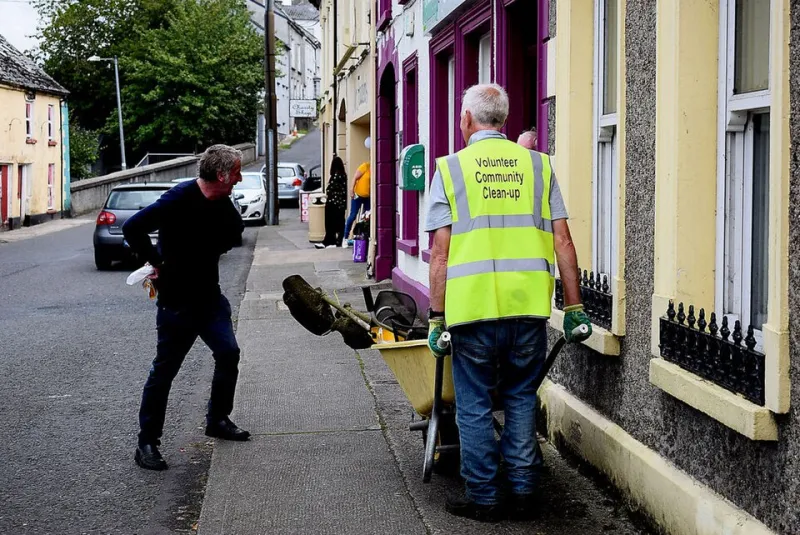
Photo: Kenneth Allen , CC BY-SA 2.0, via Wikimedia Commons
Public liability insurance sits quietly in the background of most grassroots activity. It is there when a village hall chairs are stacked, when a community garden opens its gates, and when a youth group takes members to a local nature reserve. It is also the line in a grant budget that applicants most often either over-explain or leave unexplained. At Hilton Foundation, we see strong bids falter not because the premium is too high, but because the cost arrives without context.
Funders do not expect every community group to be an insurance expert. They do expect the figure to be credible. That means showing what is being insured, why the cover is needed and how the quote was tested. The aim is not to make a premium sound exciting. It is to make it legible.
Begin With the Activity, Not the Premium
A public liability figure means little on its own. It becomes meaningful when it is attached to a description of what the group does. A monthly coffee morning in a rented hall carries a different risk profile from a weekly after-school club, a summer fete with inflatables or a conservation group using hand tools on a council-owned site.
Before writing the budget line, set out the main activities the grant will fund. Note where they take place, who takes part and how often they happen. If the group works with children, older people or people with additional needs, say so. If activities move between venues, mention that. The funder is not looking for a risk essay. A short, plain description of the activity gives the insurance figure somewhere to sit.
This is also the point to separate annual cover from event-specific cover. A group may hold a yearly policy for its regular work and buy separate one-off cover for a street party, a fundraising concert or a sports day. Those are different products with different costs. Presenting them as a single lump sum invites confusion.
Annual Policies and One-Off Cover Are Different Lines
An annual public liability policy covers the organisation's ongoing operations across the year. It may include cover for volunteers, temporary premises, hired equipment and activities listed in the policy schedule. A one-off event policy covers a defined occasion, often for a fixed number of attendees and a specified venue.
In a grant budget, these should appear as separate items. The annual policy belongs in core or operating costs, with a note of the renewal date, the indemnity limit, the excess and the main activities covered. One-off event cover belongs with the event budget, alongside venue hire, publicity and refreshments. If the event is recurring, say whether the group will need cover each time or whether the annual policy already extends to it.
Funders also need to know who requires the cover. A landlord may insist on a minimum indemnity limit before hiring a hall. A council may require event cover before granting a road closure. If a condition has been imposed, quote it briefly. That turns the premium from a discretionary purchase into a requirement attached to the activity.
Explaining an Increase Without Raising Alarm
Premiums have risen for many small groups in recent years. Insurers have withdrawn from some markets, excesses have increased and underwriters have asked more questions about activities. A renewal figure that is higher than last year is not, by itself, a sign of poor management.
The mistake is to let the increase sit unexplained. A short paragraph in the budget notes can do the work: state the previous premium, the renewal quote, the main reason given by the broker or insurer, and any action the trustees have taken. That might include obtaining alternative quotes, agreeing a higher excess or tightening risk assessments. Avoid dramatic language about the insurance market. Funders want a calm explanation, not a warning that the group is about to collapse.
Where the rise is modest, one sentence may be enough. Where it is substantial, attach a broker note or a comparison of quotes. Trustees should also record the decision in their own minutes, so that the grant application reflects a governance process rather than a last-minute estimate.
Comparable Quotes and Proportionality
A credible insurance line is usually supported by more than one quote. Two or three like-for-like quotations give the reader confidence that the group has tested the market. Like-for-like matters: the same indemnity limit, the same excess, the same period and the same description of activities. Comparing the cheapest quote with a much broader policy is not a comparison.
A simple table in an appendix can show the provider, premium, excess, indemnity limit and any significant exclusions. The group does not have to choose the lowest price. It may prefer continuity, a broker who understands the sector, or a policy that clearly covers volunteers and off-site activities. If the chosen quote is not the cheapest, explain why in one or two sentences.
Some very small groups may only be able to obtain a single quote. That is not automatically a weakness. A note explaining the limited market, together with evidence of a broker search, is usually more persuasive than a vague estimate.
Evidence of Risk Management Strengthens the Bid
The premium is only one part of the story. Funders are equally interested in how the group manages risk day to day. A concise risk summary can be attached to the application or referenced in the budget notes. It might cover the main risk assessments, accident reporting, safeguarding arrangements, volunteer induction, equipment checks and venue hire conditions.
This does not need to be a lengthy document. A one-page summary with clear headings is often enough. The point is to show that insurance is part of a wider approach, not a substitute for one. A group that can explain how it prevents incidents is more likely to persuade a funder that its insurance costs are proportionate.
Where Groups Over-Insure or Leave Themselves Exposed
Both problems appear in grant bids. Over-insurance often takes the form of buying separate event cover for every small meeting, or paying for an indemnity limit far above what any venue requires. Duplication is another common issue: a group may assume it needs its own cover for a hall when the venue's policy already extends to hirers for certain activities. That should be checked, not assumed.
Exposure tends to arise in the gaps. A group may be covered at its usual venue but not on an off-site trip. It may assume that a volunteer's own motor insurance covers the transport of equipment. It may run a food stall without checking whether its policy or the venue's conditions require additional cover. These are not reasons to abandon an activity, but they are reasons to describe it accurately in the application.
The safest approach is to list the activities the grant will fund and ask the insurer or broker to confirm that each one is included. If an activity is excluded, the group can decide whether to buy additional cover, change the activity or state the exclusion openly. Funders generally respect transparency more than a polished estimate that cannot be supported.
Presenting the Line in the Budget
A well-presented insurance line is specific but not cluttered. For example: Public liability insurance, annual policy, renewal in June 2026, £5 million indemnity limit, £250 excess, cover includes volunteers and off-site activities. The premium sits beside it. A separate line notes one-off event cover for the summer fete, with the date and expected attendance.
For multi-year grants, show the annual premium for each year and explain any expected increase. Do not bury insurance inside a generic overhead figure if the funder allows it to be shown separately. If the funder caps insurance costs or treats them as indirect costs, follow their guidance and explain the treatment in the budget notes.
A Short Checklist for the Bid File
Before submitting, check that the application includes a clear description of insured activities, the policy schedule or renewal quote, at least one comparison quote where possible, the renewal date, the excess and indemnity limit, a brief explanation of any premium increase, and a note of any one-off events requiring separate cover. Add a short risk management summary if the funder invites supporting documents.
Public liability insurance will never be the most compelling part of a grassroots grant bid. It does not need to be. It needs to be clear, proportionate and evidenced. When funders can see the activity behind the premium, they are better placed to judge whether the cost is reasonable. That is a modest aim, but it is one that turns an awkward budget line into a sign of sound governance.