The Unfunded Fabric: Why Repair Reserves Belong in Grassroots Grantmaking
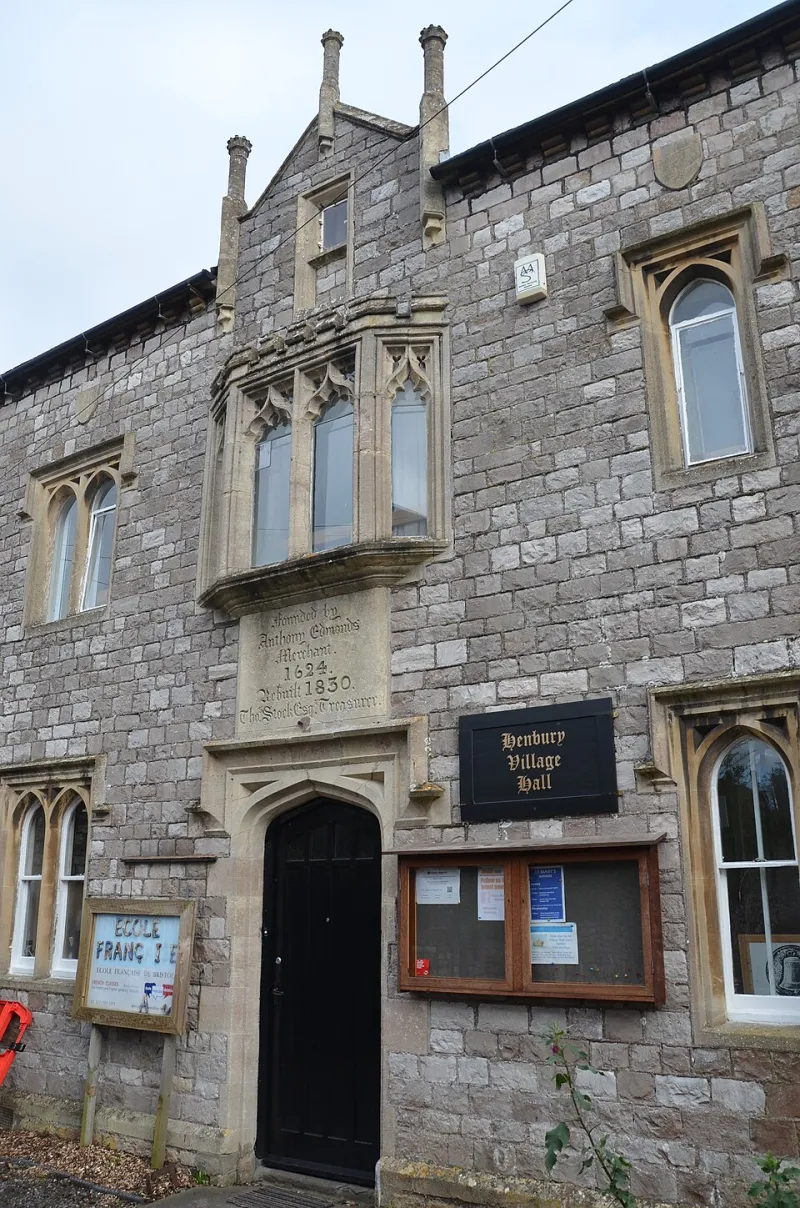
Photo: Hamburg103a, CC BY-SA 4.0, via Wikimedia Commons
UK grantmaking in 2026 is rightly preoccupied with outcomes. Funders want to know how many people were supported, what changed in a neighbourhood and whether a project made a measurable difference. These are important questions. But there is a quieter question that rarely appears in an application form: what happens when the boiler fails in January?
For many small charities, community associations and social enterprises, the answer is not a minor inconvenience. It can mean cancelled sessions, closed halls, lost income and vulnerable people left without a warm place to go. The fabric of a building is not separate from community impact. It is the condition on which that impact often depends.
The gap between project funding and organisational survival
Grant programmes tend to favour new activity. A new advice service, a new youth session or a new food distribution project is easier to describe and easier to measure. Repair and maintenance, by contrast, can feel retrospective. It does not create a new service; it prevents an existing one from collapsing.
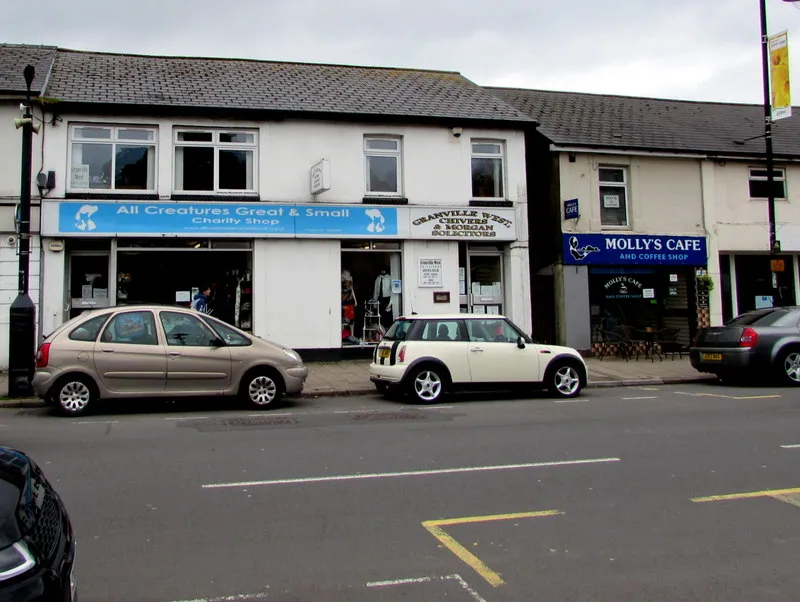
That distinction is becoming harder to defend. A village hall with a leaking roof may still run its lunch club, but only until the ceiling gives way. A community centre with an unreliable heating system may keep its doors open, but older visitors may stop coming. A small charity shop with a broken boiler may lose volunteer morale and retail income at the same time. These are not abstract risks. They are the everyday realities of running a building on a modest budget.
Many funders exclude capital costs, or limit them to large-scale building projects that require professional business cases. Small repairs fall between categories. They are too capital for a revenue grant and too small for a capital grant. The result is a funding gap that leaves grassroots groups with no sensible route to address the unglamorous essentials.
What a repair reserve can prevent
A repair reserve is not simply a pot of money for emergencies. It is a recognition that buildings age, equipment fails and maintenance is predictable in principle even when it is unpredictable in timing. A funder that helps a charity build a modest reserve is not paying for a crisis; it is reducing the chance of one.
To take an illustrative example, consider a rural village hall in Norfolk that runs a weekly warm hub and a parent-and-toddler group. Its boiler is old and parts are difficult to source. The committee has quotes for a replacement but no unrestricted funds to cover it. A small capital grant of a few thousand pounds would allow the hall to replace the boiler before winter, keep both groups running and avoid hiring temporary heaters at short notice.
Or consider a community centre in an urban area with a flat roof that has been patched repeatedly. Each patch is affordable; a full repair is not. A repair reserve would allow the trustees to plan the work rather than react to each leak. The impact is not a new project. It is continuity: the same rooms, the same groups and the same relationships, maintained through the seasons.
Practical routes for funders in 2026
There is no single model, but several practical options are available to grantmakers reviewing their 2026 programmes.
First, funders can introduce small capital grants for repairs and maintenance. A simple window, perhaps between £500 and £10,000, with a short application form and a fast decision, can be more useful than a large capital programme that demands professional surveys and lengthy business cases. Eligible costs might include boiler replacement, roof repairs, damp treatment, electrical safety work and accessibility adjustments.
Second, funders can allow a repair reserve line within core or unrestricted grants. A charity that receives a multi-year grant could be permitted to set aside a defined proportion for maintenance. This does not need to be complex. The grant agreement can state that a modest reserve is expected and that the charity should report on its use.
Third, funders can support condition surveys or small professional assessments. A charity may know that something is wrong but not what it will cost to fix. A small grant for a building survey can help trustees make an informed decision and avoid repeated temporary repairs.
Fourth, funders can build emergency repair contingency into existing programmes. This might mean delegating authority to staff to approve small urgent works, subject to evidence and safeguards, rather than requiring a full committee decision while water comes through the ceiling.
Designing safeguards without creating bureaucracy
None of this requires funders to abandon scrutiny. Proportionate safeguards are essential. Applicants should demonstrate that the building or equipment is used for charitable activity, that the repair is necessary and that the charity has the legal right to undertake the work. A leaseholder may need landlord consent; a listed building may need specialist advice. Photographs, quotes and a simple statement of impact will often be sufficient for small repairs.
Funders should also be clear about what they will not fund. Routine wear and tear, cosmetic improvements or costs that should reasonably be covered by a landlord are legitimate exclusions. The aim is not to replace good estate management but to make it possible for groups with limited resources.
Why this matters for community impact
Community impact is often described in terms of people reached and outcomes achieved. Both matter. But the organisations that achieve those outcomes need somewhere to operate. A repair reserve is not a distraction from impact; it is part of sustaining it.
For funders, the ask is modest. Review your 2026 guidance and ask whether a small charity with a broken boiler has a realistic route to support. If the answer is no, consider how a repair reserve, a small capital grant or a simple contingency line could change that. The unglamorous essentials are often the foundation on which everything else stands.